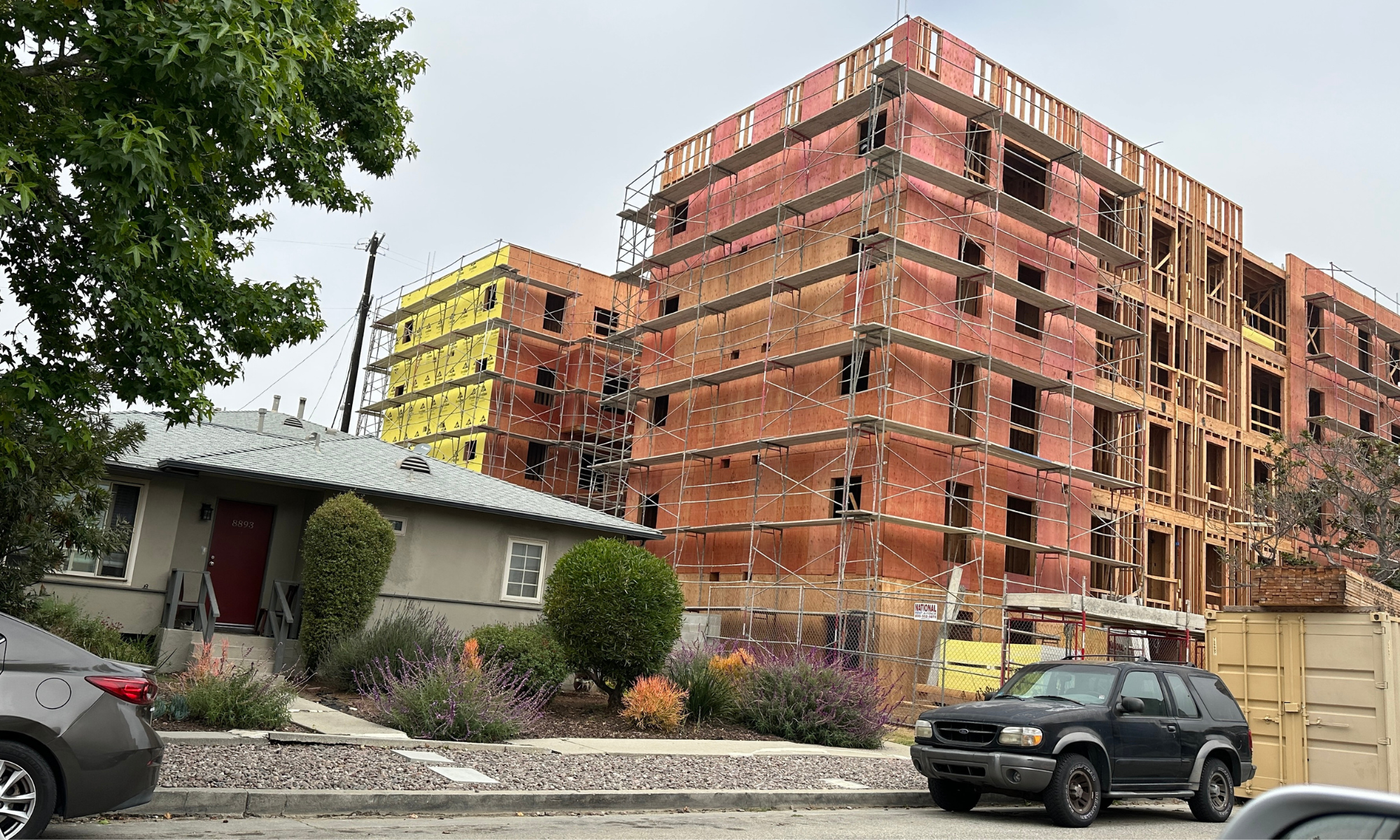

For more background on the Housing Element and CHIP, read this and this.
R-1 is already burdened with ADUs and SB-9 allowing four units on a lot via subdivision.
But that isn’t enough for the developers. They are still coming after our R-1 for even denser building, even though the City has acknowledged we don’t need additional R-1 densification to meet our current RHNA numbers or our AFFH obligations.
Why are developers so fixated on R-1? R-1 lots are cheaper than a commercial lot, and nobody asks for infrastructure improvement contributions when you build.
Currently working its way through the local legislative process is a completely redone Housing Element. Community Plan Updates (CPUs) (hyper local focus) are just one component of the Housing Element. Another is the builder incentives ordinance known as CHIP (Citywide Housing Incentive Program).
Yes, you read that right. CHIP is citywide, regardless of whether your community is undergoing a CPU or not. CHIP will apply to us no matter what we put in our CPU. In our case in Westchester Playa, the Housing Element & CHIP have been more of a distraction than anything, and maybe that’s the point. We didn’t even start talking about the Housing Element & CHIP until it was almost too late. Fortunately our friends at United Neighbors were fighting the good fight for us.
I urge you to read the “background” section of the city’s Housing Element program. The entire program is premised on the many times debunked theory that an overabundance of housing will make everything cheaper and attainable. Ask Vancouver how that theory worked out for them.
So that is all the background you need for this discussion here – “build baby build” doesn’t work and it’s what Los Angeles is trying to shove down our throats, to the detriment of our mature R-1 communities.
The first draft of CHIP included R-1 lots as eligible for incentives. There was a ton of pushback on this by R-1 homeowners led by United Neighbors. R-1 was dropped from CHIP with draft #2 and we thought we dodged a bullet.
I attended the public hearing on draft #2 and was absolutely shocked to hear the lead planner literally invite people to convince them why R-1 should go back in the ordinance. I had an opportunity to give public comment supporting the R-1 exemption, along with some of our neighbors, but we only represented about 10% of the comments. I was sweating bullets from the end of that meeting until draft #3 came out.
The third draft dropped last week. R-1 is still not in the main recommendations report, but buried in Exhibit D is a strongly worded argument why the Commission should bring R-1 back into the Ordinance and 7 strategies laid out like a pick and choose menu. 😱
The Ordinance heads to the Planning Commission this week for a public hearing. We need comments!! The official deadline for comments has passed, but we should keep pushing, especially in light of this new information. If you can attend the meeting on zoom and make a public comment, that will be even better. Find the agenda here with instructions.
Our Neighborhood Council wrote a Community Impact Statement supporting an exemption for R-1. Kentwood Home Guardians, a 3400 property HOA in our community, wrote a similar letter, but we need volumes of comments and letters.
If we lose this fight, CHIP is going to going to kill our Community Plan Update efforts. R-1 is already subject to ADUs and SB-9. We just don’t need the impacts of CHIP added to our burden, especially when the city admits they don’t need R-1 to meet the already overly aggressive rezoning mandate.
New Information
At first read, it appears that R-1 is still out in the recommendations report sent by the planners to the Planning Commission, but United Neighbors discovered a ticking time bomb in the details – as in page 830 of the 2050 page report! 😱😱 The planners suggest that putting R-1 back in will further support “equity goals” and offer 7 options to upzone R-1, any one of which will decimate WPDR. We will likely qualify for all 7 if they are all added.
I read that as a big fat Robinhood statement and a middle finger to single-family homeowners. The problem with my Robinhood analogy is that most of us are not rich and the city doesn’t need our neighborhoods to meet state mandated goals for housing. Does this make you mad? Sign our petition! And then submit your hearing comments and show up to speak if you can. It’s very empowering!
Tracy is active in a number of local community organizations including the Neighborhood Council PLUC, Neighborhood Council Ad Hoc CPU Committee, Kentwood Home Guardians and Emerson Ave Community Garden Club. The views expressed in this post are Tracy’s alone, and should not be construed in any way as an opinion of any other group. Are you planning a meeting with the planners? Have Tracy along to make sure you get the same information other community members get. Are you willing to host a group of your neighbors for a talk on housing policy and zoning changes? Tracy would be happy to join you.

About Tracy Thrower Conyers Tracy Thrower Conyers is a long-time resident of Westchester 90045. Tracy closely follows local politics, political players and social chatter relevant to Westchester. You’ll frequently find her at Neighborhood Council meetings, as well as on all the social platforms where 90045 peeps hang out. Tracy is a real estate broker and founding principal in Silicon Beach Properties. She is a recognized expert on Silicon Beach and its impact on residential and residential income real estate, and has been featured by respected media outlets including the LA Times, KPCC and KCET. Tracy is also a licensed attorney and accidental housing policy junkie.
 Concerned For Westchester Playa